How to Drive Traffic to Your Shopify Store: 12 Proven Methods
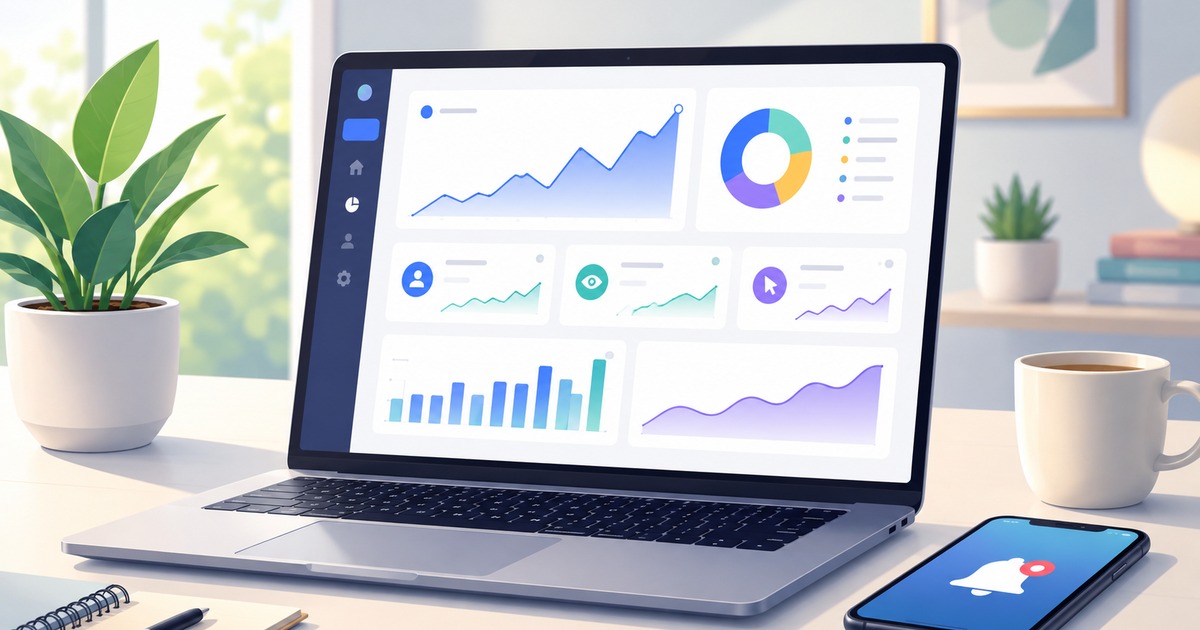
Building a beautiful Shopify store is only half the battle. Without consistent, targeted traffic flowing to your product pages, even the most stunning store will sit empty. In 2026, the challenge of driving traffic is both more complex and more opportunity-rich than ever before — platforms are saturated, ad costs fluctuate unpredictably, and algorithm changes can decimate organic reach overnight. Yet the entrepreneurs who succeed are those who diversify their traffic sources, build genuine audiences, and consistently execute across multiple channels. In this guide, we cover 12 proven strategies to drive traffic to your Shopify store, with specific, actionable advice for each method.
Why Traffic Diversity Matters
Before diving into individual strategies, it's crucial to understand the principle of traffic diversification. Too many store owners rely on a single traffic source — usually Facebook or Google ads — and find themselves in trouble when ad costs rise, accounts get suspended, or platform algorithms change. The most resilient ecommerce businesses cultivate traffic from at least 5-7 distinct sources, ensuring that no single platform disruption can cripple their revenue. Think of your traffic strategy as a portfolio: you want a mix of paid and organic, short-term and long-term, high-effort and passive channels. Below, we explore each method with practical steps you can implement starting today.
1. Search Engine Optimization (SEO)
SEO is the closest thing to free, sustainable, compounding traffic that exists in ecommerce. When you rank on Google for relevant keywords, you receive consistent, purchase-intent-driven visitors without paying per click. Shopify provides a solid SEO foundation out of the box — clean URL structures, automatic sitemaps, canonical tags, and editable meta tags. But going beyond the basics requires deliberate effort.
Action steps: Start with keyword research using tools like Google Keyword Planner or Ahrefs to identify what your target customers are actually searching for. Write unique, detailed product descriptions (at least 300 words) that naturally incorporate those keywords without stuffing. Optimize your image alt text with descriptive, keyword-relevant phrases. Build internal links between related products and blog posts to distribute page authority throughout your site. Create dedicated collection pages with substantial descriptive content — these often rank better than individual product pages for broader search terms. Shopify's blog feature supports content marketing directly within your store's domain, which we'll cover next in more detail.

2. Content Marketing & Blogging
A blog is one of the most underutilized assets for Shopify store owners. While product pages target bottom-of-funnel buyers ready to purchase, blog content captures top and middle-of-funnel visitors researching problems your products solve. For example, a store selling yoga mats could rank for "best home yoga setup" or "yoga for lower back pain" — terms that attract potential customers before they've decided to buy.
Action steps: Identify 10-20 informational keywords in your niche that have decent search volume and lower competition. Write comprehensive, genuinely helpful articles — aim for at least 1,000 words that fully answer the searcher's question. Link naturally from blog posts to relevant product and collection pages. Publish consistently; even one high-quality article per week compounds dramatically over a year. Use Shopify's built-in blog feature rather than an external platform so that all traffic and backlinks benefit your store's domain directly.
3. Social Media Marketing (Organic)
Organic social media has become harder over the years as platforms prioritize paid content and algorithm-driven feeds, but it remains valuable for brand building, community engagement, and customer trust. The key in 2026 is to focus on platforms where your target customers actually spend time rather than trying to be everywhere at once.
Action steps: Choose one or two primary platforms based on your audience demographics. Post consistently with a mix of product showcases, behind-the-scenes content, customer testimonials, and educational material. Engage genuinely with comments and messages — response time and engagement rate increasingly factor into algorithmic visibility. Use platform-native shopping features (covered in the next sections). Don't rely solely on organic social for direct sales; treat it primarily as a brand-building and trust-establishing channel that supports your paid and SEO efforts.
Build a store worth driving traffic to. Start your Shopify free trial and create a beautiful, SEO-optimized store in just 3 days. Start Free Trial
4. Instagram Shopping
Instagram Shopping bridges the gap between discovery and purchase by allowing customers to browse and buy products directly within the Instagram app. For visually-oriented brands — fashion, beauty, home decor, art, accessories — it's arguably the single most important social commerce channel available.
Action steps: Connect your Shopify store to Instagram through the Facebook & Instagram sales channel in your Shopify admin. Tag products in your feed posts, Stories, and Reels. Create shoppable product collections on Instagram that mirror your Shopify collections. Use Instagram's catalog ads to automatically create dynamic product ads from your Shopify inventory. Test Instagram Checkout (available in select regions) to further reduce purchase friction. Post consistently and use high-quality, native-feeling content — polished lifestyle imagery and authentic video content perform significantly better than product-only shots.
5. TikTok & Short-Form Video
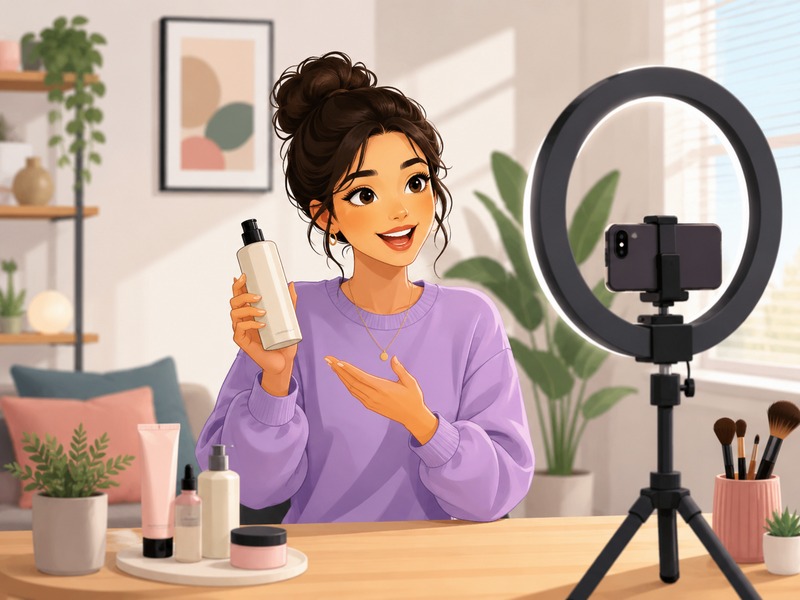
TikTok's influence on ecommerce has been transformative, and in 2026, it's no longer optional for most consumer brands. TikTok Shop, the platform's integrated commerce feature, allows users to purchase products without leaving the app. Even without TikTok Shop, organic TikTok videos can drive massive traffic spikes — the "TikTok made me buy it" phenomenon is real and has launched countless products into bestseller status overnight.
Action steps: Install the TikTok Shopify app to sync your product catalog and enable TikTok Shop. Create short, engaging videos (15-60 seconds) showcasing your products in action — avoid overly polished ads; authenticity performs better. Participate in trending sounds and formats, adapting them to feature your products naturally. Post 3-5 times per week consistently. Engage with comments and stitch/duet user-generated content. Consider partnering with TikTok creators for wider reach — even micro-influencers with 10K-50K followers can generate significant product interest when their content resonates.
6. Pinterest for Product Discovery
Pinterest operates differently from other social platforms — it's fundamentally a visual search engine where users actively seek inspiration and shopping ideas. Pins have a much longer lifespan than posts on Instagram or TikTok, often driving traffic for months or years after they're initially published. For stores in lifestyle niches — home decor, fashion, crafts, recipes, wedding, travel — Pinterest can be a significant traffic source.
Action steps: Create a Pinterest business account and claim your Shopify store's domain. Enable Rich Pins to automatically sync product details (price, availability, description). Create visually compelling pins with vertical (2:3 ratio) images and clear text overlays. Organize pins into niche-specific boards with keyword-rich titles and descriptions. Pin consistently using a scheduling tool like Tailwind. Create "Shop the Look" pins that tag multiple products in a single image. While Pinterest traffic tends to have lower purchase intent than Google search traffic, its conversion window is longer — many purchasers save pins weeks or months before buying.
7. Facebook & Instagram Ads
Paid social advertising remains one of the most immediate ways to drive traffic to a new Shopify store. Facebook's advertising platform, which also powers Instagram and Messenger ads, offers sophisticated targeting capabilities based on demographics, interests, behaviors, and custom audiences. While ad costs have risen over the years and iOS privacy changes have reduced targeting precision, Facebook ads are still highly effective when managed with a structured, testing-focused approach.
Action steps: Install the Facebook pixel (Meta Pixel) on your Shopify store through the Facebook & Instagram sales channel. Set up conversion tracking for key events: View Content, Add to Cart, Initiate Checkout, and Purchase. Start with a small daily budget ($10-$20/day) to test audiences and creatives. Create multiple ad variations (different images, headlines, copy) to identify what resonates. Use the Conversions objective (optimized for Purchase) rather than Traffic or Engagement objectives for direct sales campaigns. Build retargeting audiences for visitors who viewed products or added to cart but didn't purchase — these typically have the highest ROAS. Scale winning ad sets by 20-30% every few days rather than doubling budgets overnight, which can reset the learning phase.
8. Google Shopping Ads
Google Shopping ads appear at the top of Google search results when users search for products, displaying product images, prices, store names, and reviews directly in the search results. They capture high-intent shoppers who are actively looking to buy, making them one of the highest-converting paid channels available to Shopify merchants. In 2026, Google Shopping campaigns increasingly leverage Performance Max, which uses AI to optimize ad delivery across all Google properties including Search, Shopping, YouTube, Discover, and Gmail.
Action steps: Set up a Google Merchant Center account and connect it to your Shopify store through the Google & YouTube sales channel. Submit your product feed — Shopify can automatically sync this. Optimize your product titles, descriptions, and images specifically for Shopping ads (include key product attributes, sizes, colors). Set up a Performance Max campaign with a conversion value bidding strategy. Add negative keywords aggressively to avoid wasting budget on irrelevant searches. Ensure your product data meets Google's requirements: accurate prices, availability, shipping information, and high-quality images on white backgrounds. Google Shopping ads work best for products with clear search intent — branded products, common consumer goods, and items people actively compare before purchasing.
9. Email Marketing
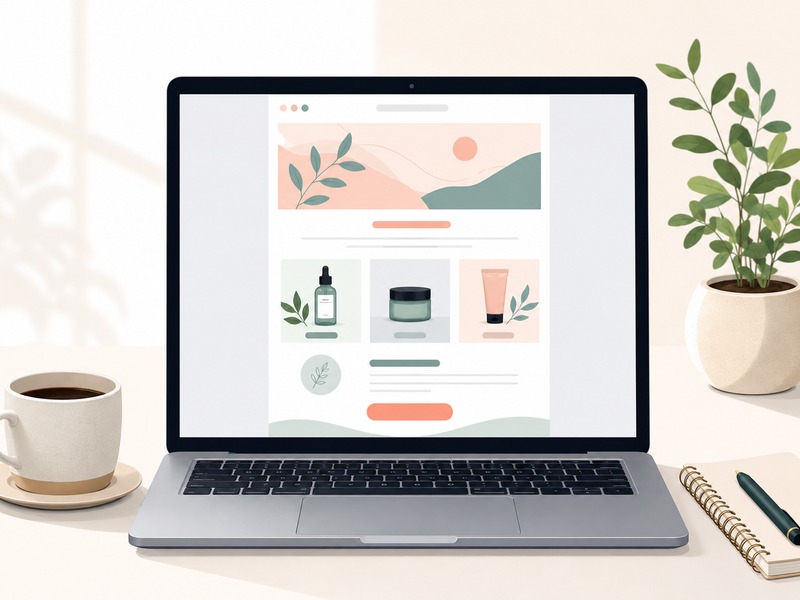
Email marketing delivers the highest ROI of any digital marketing channel, with an average return of $36-$42 for every dollar spent. For Shopify stores, email serves multiple purposes: nurturing new subscribers toward their first purchase, recovering abandoned carts, driving repeat purchases from existing customers, and promoting new products or sales. Unlike social media algorithms, your email list is an asset you own and control.
Action steps: Start building your email list from day one — add a popup or embedded signup form offering a discount code or valuable content in exchange for email addresses. Use Shopify Email (free for up to 10,000 emails/month on paid plans) or a dedicated platform like Klaviyo or Mailchimp. Set up automated flows: Welcome Series (3-5 emails introducing your brand), Abandoned Cart (1-3 emails with urgency), Post-Purchase (thank you + product care tips + cross-sell recommendations), and Win-Back (targeting lapsed customers). Segment your list by purchase history, browsing behavior, and engagement level — segmented campaigns generate 760% more revenue than mass blasts. Don't over-send; 2-4 emails per month is a good starting cadence for most ecommerce stores.
10. Influencer & Creator Partnerships
Influencer marketing has evolved from celebrity endorsements to a sophisticated channel where micro-influencers and niche creators with engaged audiences can deliver higher conversion rates and better ROI than broad-reach campaigns. The key is finding creators whose audience genuinely aligns with your product and who create authentic content their followers trust.
Action steps: Identify creators in your niche on Instagram, TikTok, and YouTube. Look beyond follower count — engagement rate, comment quality, and audience demographics matter more. Start with gifted product collaborations (send free products in exchange for honest content) to test which creators drive results. For paid partnerships, structure compensation as a flat fee plus an affiliate commission — this aligns incentives and provides measurable ROI data. Provide creators with a unique discount code or tracking link so you can attribute sales accurately. Build long-term relationships with creators who perform well; their audience trust only deepens with repeated, genuine endorsements. Consider user-generated content (UGC) creators who produce high-quality product content for a flat fee without requiring their own large following — you can then use this content in your own ads and organic posts.
11. Abandoned Cart Recovery
Technically, abandoned cart recovery doesn't drive new traffic — but it recaptures traffic you've already earned. With average cart abandonment rates hovering around 70% across ecommerce, recovering even 10-15% of those lost sales can dramatically increase your effective conversion rate without spending a dollar on new traffic acquisition. Shopify includes built-in abandoned cart recovery emails on all plans, but optimizing them makes a significant difference.
Action steps: Configure Shopify's automated abandoned cart emails to send the first email within 1-2 hours of abandonment, followed by a second reminder at 24 hours, and optionally a third at 48 hours. Include the abandoned product image, a clear call-to-action button to return to the cart, and a soft urgency element ("Your cart is reserved for a limited time"). Consider adding a small discount (10-15%) in the second or third email to incentivize completion. Use Shopify's abandoned cart recovery URL (unique to each cart) to return customers directly to their pre-filled cart. Monitor your recovery rate in Shopify Analytics and continuously test subject lines, timing, and discount offers to optimize performance.
12. Referral & Affiliate Programs
Word-of-mouth remains one of the most powerful traffic sources because it comes with built-in trust. A structured referral or affiliate program incentivizes your existing customers and partners to actively promote your products. Referral programs work especially well for products with strong social currency — things people want to share and recommend naturally.
Action steps: For customer referrals, use a Shopify app like Smile.io, ReferralCandy, or Yotpo to create a branded referral program. Offer a two-sided incentive — for example, "Give $10, Get $10" where both the referrer and the referred friend receive a discount. Promote the program in your post-purchase emails, on your order confirmation page, and in your website footer. For affiliate programs, use platforms like Refersion, Affiliatly, or UpPromote to manage affiliates. Recruit affiliates from your existing customer base, content creators in your niche, and bloggers who review products in your category. Set competitive commission rates (typically 5-20% for ecommerce) and provide affiliates with marketing assets (banners, product images, swipe copy) to make promotion easy.

Final Advice: Start Small, Scale Smart
With 12 strategies on the table, the natural impulse is to try implementing everything at once. Resist that urge. The most common mistake store owners make is spreading themselves too thin across too many channels, doing none of them well. Instead:
- Month 1: Focus on SEO fundamentals (product optimization, site structure) and set up your email capture system. These are foundational and compound over time.
- Month 2: Add one paid channel (Google Shopping or Facebook Ads) and one organic social channel (TikTok or Instagram, depending on your audience).
- Month 3: Expand to content marketing (start your blog) and implement abandoned cart recovery.
- Month 4+: Layer in influencer partnerships, Pinterest, and referral programs as your business stabilizes and you have data on what's working.
Traffic is not a one-time effort. The stores that succeed treat it as an ongoing system — consistently creating content, optimizing campaigns, testing new channels, and nurturing existing audiences. The good news is that Shopify provides the tools and integrations to support every strategy on this list. The rest comes down to your execution, consistency, and willingness to adapt as platforms evolve. Start with one method today, master it, and then expand your traffic portfolio one channel at a time.