How to Start Dropshipping on Shopify in 2026 – Step-by-Step Guide
Table of Contents
- What Is Dropshipping?
- Why Use Shopify for Dropshipping?
- Step 1: Choose Your Niche
- Step 2: Find Reliable Suppliers
- Step 3: Build Your Shopify Store
- Step 4: Add Products to Your Store
- Step 5: Set Pricing and Margins
- Step 6: Market Your Store
- Step 7: Automate Order Fulfillment
- Common Dropshipping Mistakes to Avoid
Dropshipping remains one of the most accessible ways to start an online business in 2026. With zero inventory required and minimal upfront investment, you can launch a store today and start selling products from suppliers around the world.
This guide walks you through the entire process of building a profitable dropshipping business on Shopify — from niche selection to automated order fulfillment.
What Is Dropshipping?
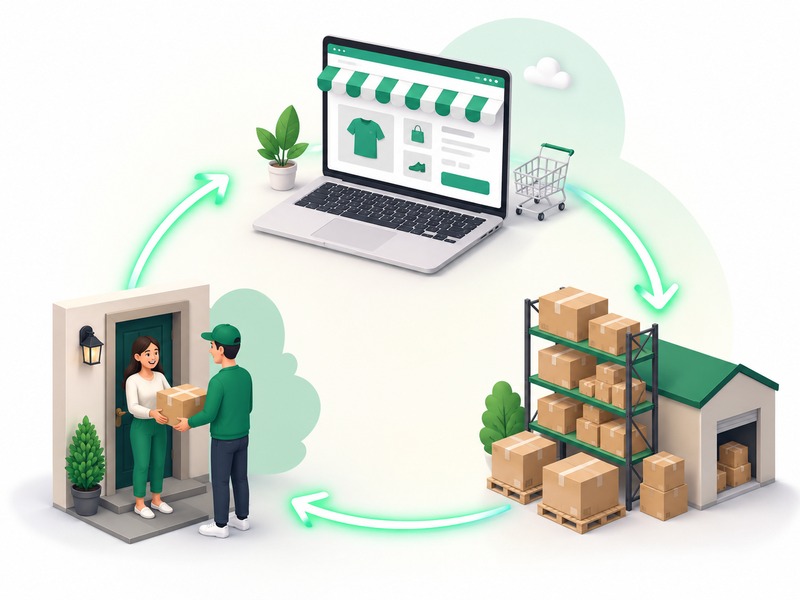
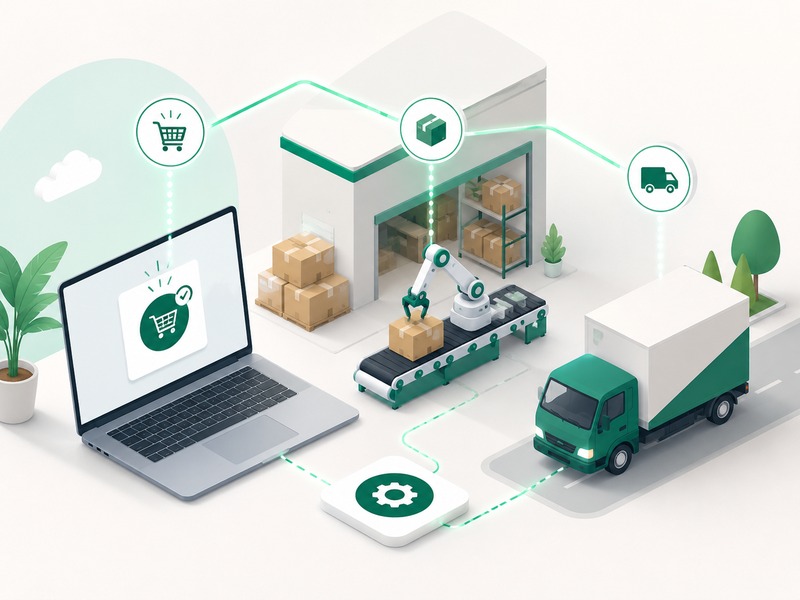
Dropshipping is a fulfillment model where you sell products without holding any inventory. When a customer places an order on your store, you purchase the item from a third-party supplier who ships it directly to the customer.
Here's how the flow works:
- Customer places an order on your Shopify store and pays you retail price
- You forward the order to your supplier and pay the wholesale price
- Supplier ships the product directly to your customer
- You keep the difference as your profit
Your main responsibilities are marketing, customer service, and store management — never touching the physical products.
Why Use Shopify for Dropshipping?
Shopify is the platform of choice for dropshippers worldwide. Here's why:
- DSers integration: One-click product import from AliExpress with automatic order syncing
- Oberlo alternative: Shopify's native tools plus apps like DSers, Spocket, and CJ Dropshipping
- Automated fulfillment: Orders route to suppliers automatically without manual processing
- Scalable infrastructure: Handle traffic spikes without server crashes
- Payment processing: Accept credit cards globally with Shopify Payments
- 24/7 support: Critical when you're dealing with time-sensitive orders
Step 1: Choose Your Niche
Success in dropshipping starts with the right niche. Don't try to sell everything — focus on a specific category where you can build authority.
Criteria for a profitable niche:
- Passionate audience: Hobbyists spend more (fitness, pets, gaming, home decor)
- Problem-solving products: Items that solve a clear pain point convert better
- Price point $25-$75: Sweet spot for impulse purchases with healthy margins
- Lightweight and small: Lower shipping costs mean higher profit margins
- Not dominated by Amazon: Avoid commodities where Amazon wins on price and shipping speed
Tools to validate your niche:
- Google Trends — check search interest over time
- Facebook Audience Insights — gauge audience size and demographics
- TikTok Creative Center — see what's trending in your category
Step 2: Find Reliable Suppliers
Your supplier is your business partner. A bad supplier means delayed shipments, quality issues, and negative reviews.
Top supplier platforms for Shopify dropshipping:
- DSers (AliExpress): Largest product catalog, lowest prices. Best for beginners. Shipping times 7-21 days.
- Spocket: US and EU suppliers. Faster shipping (3-7 days) but higher product costs. Best for premium positioning.
- CJ Dropshipping: Competitive pricing with warehousing in the US, EU, and Asia. Good middle ground.
- Modalyst: Curated suppliers with branded invoicing. Higher quality control.
Supplier vetting checklist:
- ✓ Response time under 24 hours
- ✓ Order processing time under 3 business days
- ✓ Product rating above 4.5 stars (for AliExpress suppliers)
- ✓ At least 500 orders completed
- ✓ Willing to provide sample orders
- ✓ Accepts returns or has clear refund policy
Always order samples. Photos on supplier listings rarely match reality. Order samples of your top 5 products to verify quality, packaging, and shipping speed.
Step 3: Build Your Shopify Store
Sign up for Shopify's 3-day free trial and set up your store.
Store setup priorities:
- Theme: Use Dawn (free) or a premium dropshipping-optimized theme. Speed matters — a 1-second delay costs 7% in conversions.
- Domain: Buy a branded domain through Shopify or connect your own. Avoid .myshopify.com for credibility.
- Logo and branding: Use Canva for a simple logo. Pick 2-3 brand colors and stick to them.
- Essential pages: About Us, Contact, Shipping Policy, Refund Policy, Privacy Policy, Terms of Service
See our complete Shopify store setup guide for detailed instructions.
Step 4: Add Products to Your Store
Use your dropshipping app (DSers, Spocket, etc.) to import products. Don't just import blindly — optimize every listing.
Product listing optimization:
- Rewrite titles: Supplier titles are often keyword-stuffed garbage. Rewrite for clarity and search.
- Custom descriptions: Never use supplier descriptions. Write benefit-focused copy. Address customer pain points.
- Professional photos: Order samples and take your own photos, or hire a freelancer on Fiverr. White background + lifestyle shots.
- Price strategically: Mark up 2.5x–3x your product cost. $10 cost → $29.99–$34.99 retail.
Start with 10-20 products. Launching with 200 products looks like a generic catalog. Curate a tight selection that tells a cohesive brand story.
Step 5: Set Pricing and Margins
Your pricing must cover product cost, shipping, transaction fees, ads, and leave room for profit.
Typical cost breakdown per $30 sale:
- Product cost: $8–$12
- Shipping: $2–$5
- Payment processing (2.9% + $0.30): ~$1.20
- Customer acquisition (ads): $8–$15
- Shopify plan (~$39/month分摊): ~$1.30
Net profit: $5–$10 per sale (17–33% margin)
Use psychological pricing: $29.99 converts better than $30.00. Offer free shipping over a threshold to increase average order value.
Step 6: Market Your Store
Traffic is the lifeblood of dropshipping. In 2026, these channels work best:
1. TikTok Organic + Ads
TikTok is the highest-ROI channel for dropshipping right now. Create short videos showing your product in action. No expensive production needed — authentic content outperforms polished ads.
- Post 1-3 videos daily
- Use trending sounds and hashtags
- Hook viewers in the first 3 seconds
- Link your store in bio
2. Facebook and Instagram Ads
Still effective but requires higher budgets ($30–$50/day minimum for testing). Start with Advantage+ Shopping Campaigns.
3. Google Shopping
High-intent traffic. People searching for your exact product. Connect your Shopify store to Google Merchant Center for free product listings.
See our traffic guide for more marketing strategies.
Step 7: Automate Order Fulfillment
Manual order processing doesn't scale. Set up automation from day one.
With DSers:
- Install DSers app from Shopify App Store
- Link your AliExpress account
- Set up "Auto Sync" for order routing
- Configure shipping method preferences (ePacket, AliExpress Standard Shipping)
- Enable auto-tracking number updates to customers
Customer communication automation:
- Order confirmation email — Shopify default
- Shipping notification — include tracking link
- Delivery confirmation — request review
- Abandoned cart recovery — Shopify automatically emails non-completers
Common Dropshipping Mistakes to Avoid
Learn from others' failures:
- ❌ Selling copyrighted/trademarked items: Disney, Nike, Marvel — instant store bans and legal issues
- ❌ Ignoring shipping times: Be transparent. Display expected delivery dates clearly
- ❌ Underpricing: You need margin for ads. If you can't afford to spend $15 acquiring a customer, your pricing is wrong
- ❌ Neglecting customer service: Respond to inquiries within 24 hours. Bad reviews kill stores
- ❌ Giving up too early: Most successful dropshippers tested 5–10 products before finding a winner
Start Your Dropshipping Store Today
Shopify's 3-day free trial gives you everything you need to build and launch your dropshipping store.
Start Free Trial